The Equitable and Just National Climate Forum (EJNCF) is a coalition of national environmental groups and environmental justice organizations working together to center environmental justice in federal climate policy making. We strongly support the creation of the new $3 billion, Environmental and Climate Justice (ECJ) program to support “the health, equity, and resilience of disadvantaged communities” and “address past, current, and future environmental climate and justice challenges.”
The design and launch of the ECJ Program creates a crucial opportunity to reduce and prevent disproportionate pollution burdens in communities of color and low-income communities and to secure:
- a healthy climate and air quality for all;
- access to affordable, pollution-free electricity and transportation, clean water, and affordable housing for every community;
- an inclusive, just and equitable economy with high-quality jobs; and
- safe, healthy communities and infrastructure.
All of the above are shared goals of the EJNCF.
The Environmental Protection Agency (EPA) must implement the ECJ program to maximize investments and benefits delivered to environmental justice (communities of color, indigenous communities and low-income communities) communities, particularly communities overburdened by pollution and the impacts of climate change. In addition, through the implementation of this and other programs, the EPA must support rapid progress toward the Biden-Harris Administration’s Justice40 and other environmental justice goals.
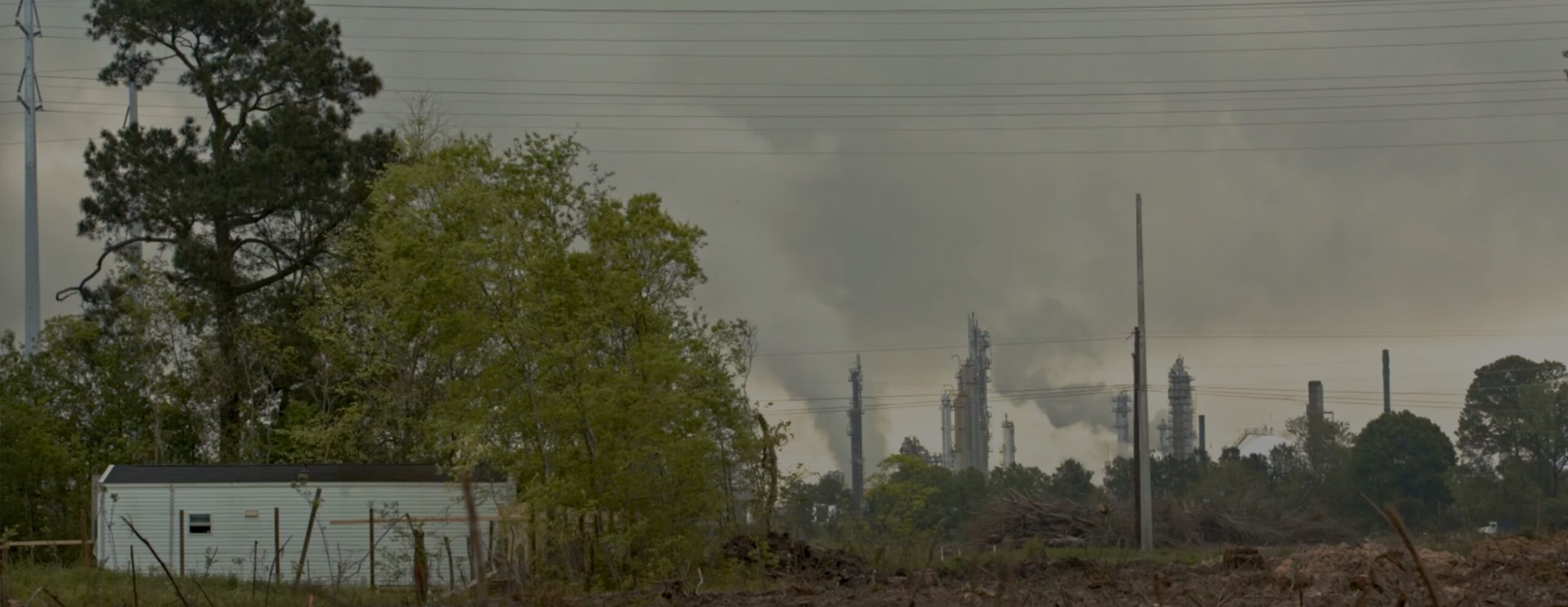
Environmental justice communities–including low-income and Black, Brown, and Indigenous communities–have for too long been on the front lines of our nation’s most dangerous environmental and health hazards. Power plants and other industrial facilities are disproportionately sited in communities of color and low income areas, creating air and water pollution that leads to higher rates of cancer, asthma, and other life-threatening health problems. Roads and highways, many of which were intentionally built through communities of color, bring pollution from gas-powered cars and diesel-fueled trucks to surrounding neighborhoods. Environmental justice communities also experience inequitable living conditions tied to chronic disinvestment and structural racism (such as the continued harmful legacy of mortgage redlining practices), including crumbling infrastructure and lack of green spaces and tree canopy, that increase their vulnerability to climate change and limit the resources available to cope with and recover from climate impacts. For example, heat waves are responsible for more deaths every year than any other extreme weather event—with the highest risks in Black, brown, and Indigenous communities, where many don’t have access to air conditioning and neighborhoods lack parks, green spaces and tree cover, which help to bring down temperatures.
The ECJ program provides a critical opportunity to protect the fundamental right of all people in America to a clean and healthy environment. Our recommendations to EPA on this program are summarized below.
ECJ Program Design
EPA should consider the following principles in the design of the ECJ block grant program to ensure that benefits flow to communities that need and deserve the resources the most:
Prioritize projects in communities overburdened by pollution and climate change impacts and threats. We urge the Environmental Protection Agency (EPA) to design and implement this historic program in ways that prioritize improving lives in EJ communities and communities overburdened by pollution and climate change threats, including by reducing, cleaning up or preventing pollution and building resilience to climate change. The EPA should prioritize project investments in census tracts that: meet the White House Council on Environmental Quality’s Climate and Economic Justice Screening Tool’s legacy pollution or climate change thresholds; or are identified by state-level screening tools as EJ communities or as communities overburdened by pollution or climate change; or self-identify as marginalized communities based on exposure to pollution or climate harms or past and current discrimination; or have high levels of lead, Per- and Polyfluorinated Substances (PFAS) and other pollutants in their drinking water.
Prioritize projects that deliver multiple benefits. The EPA should prioritize projects that deliver multiple benefits to environmental justice communities overburdened by pollution and climate change, including pollution reduction, emissions monitoring, improved public health and safety, good jobs and job training for community members, community owned-assets and wealth building, education and outreach, improved climate resilience and emergency preparedness, improved livability and quality of life, and other benefits.
Support new and innovative strategies and approaches for equitable distribution of ECJ funds. The EPA should create a rolling application process to provide flexibility and increase access to the ECJ program for community-based organizations and other applicants proposing projects that will benefit environmental justice communities. To help streamline the application process and accelerate funding for projects that benefit environmental justice communities, the EJNCF supports EPA’s idea to replace portions of the written application process with oral presentations on predetermined questions from applicants that score well on an initial streamlined written application. EPA should be prepared to accept and review both written and oral applications in multiple languages (Spanish and tribal languages at a minimum, but also other languages spoken in EJ communities with limited English proficiency).
Support anti-displacement strategies in the implementation of projects. In the absence of local anti- displacement policies, large-scale green infrastructure investments can lead to increased property values and push out local residents and small businesses who can no longer afford to live in these areas]. EPA should ensure that community projects funded through the ECJ program do not lead to displacement of the very people and communities the program is intended to serve through reporting and evaluation of the impact of funded projects. The ECJ program should support grantees in developing anti displacement strategies (such as projects that support public planning and public engagement in inclusionary zoning regulations, development of community land trusts, cooperative and safe, affordable housing, renter protections etc) that can protect local residents against gentrification, and should prioritize funding projects that include proactive strategies to prevent displacement in their project design. This includes ensuring that projects supporting or shifting towards collective ownership models are eligible for grant funding, including the aforementioned, community land trust and cooperative housing projects as well as community owned clean energy (solar cooperatives), as well as community and worker owned cooperatives.
Create sustainability of the projects funded. Through the ECJ program, EPA should explore granting a combination of small grants (comparable to grants awarded through EPA’s EJ small grants program which funds projects up to $100,000) and large grants (higher than the scale offered by EPA’s Environmental Justice Collaborative Problem-Solving Cooperative Agreement Program). Small grants should allow for smaller community based organizations to receive funding for short term projects while building up their institutional capacity to meet long term community centered goals. Larger grants should support long term multi year efforts. Community led projects require multi year sustained sources of funding to create long term change. EPA should work with grantees to ensure that they are able to leverage state, local, and private funding as well as funding through other federal programs to meet the long term needs of communities beyond the timeline of ECJ program grants.
Strong emphasis on direct iImplementation of grants by EPA: It is important that EPA directly implement the ECJ Block Grant program, rather than implement it through an intermediary. Numerous EPA policies and government wide crosscutting requirements apply to grant funds awarded by EPA, many of them designed to ensure that low-income applicants and applicants of color are not discriminated against in implementation. Direct implementation by EPA also ensures accountability to government oversight and recordkeeping requirements. Transparency and accountability are fundamental to achieving equity. In case that part of the funding is administered by a third party to reduce the administrative burden of operating a federal grant on smaller community based organizations, EPA should ensure that the third party complies with the same transparency and accountability metrics that a direct EPA award would include.
Simplified processes throughout the grant life cycle: EPA should simplify grant processes throughout the grant life cycle. Simplified processes at the announcement stage can include creating a centralized location where potential grantees can find climate, clean energy, and EJ grant opportunities. We recognize that the Grants.gov portal provides a central online location to search for federal grant opportunities. However, a dedicated online location for EJ, climate, and clean energy-related grant opportunities (that include non-profit entities as eligible applicants) would highlight these new programs for first-time applicants who are navigating new IRA-funded opportunities. Proactively engaging people of color-owned businesses and financial institutions (through direct outreach and targeted listening sessions and/or webinars) to encourage such entities to engage in the application process. During the grant application process, we recommend that EPA provide clear guidance on funding and investment criteria. At the post-award stage, EPA should provide ongoing assistance (e.g., in the form of grants consultants) to grant recipients to help them meet reporting requirements and navigate the administrative burden associated with managing a federal grant. Technical assistance in the areas of research, issue analysis, project development, and facilitation would also be useful to sub-recipients implementing projects in their communities.
Read our full recommendations here.