WASHINGTON (Jan. 27, 2022) – On the first anniversary of President Biden signing Executive Order 14008 tackling the climate crisis, a coalition of environmental justice and national environmental groups today reflect on the historic commitment to center environmental justice in federal climate action and address the disproportionate adverse health, environmental, and climate-related impacts in disadvantaged communities–while acknowledging that much work remains to be done to deliver on these promises and to protect people on the frontlines from industrial pollution and climate damages.
The Equitable & Just National Climate Forum participants also issued an urgent call for the Senate to pass the Build Back Better agenda, which will create jobs and advance justice, clean energy, pollution cuts, and investment in environmental justice communities.
The EJNCF participants issued this joint statement:
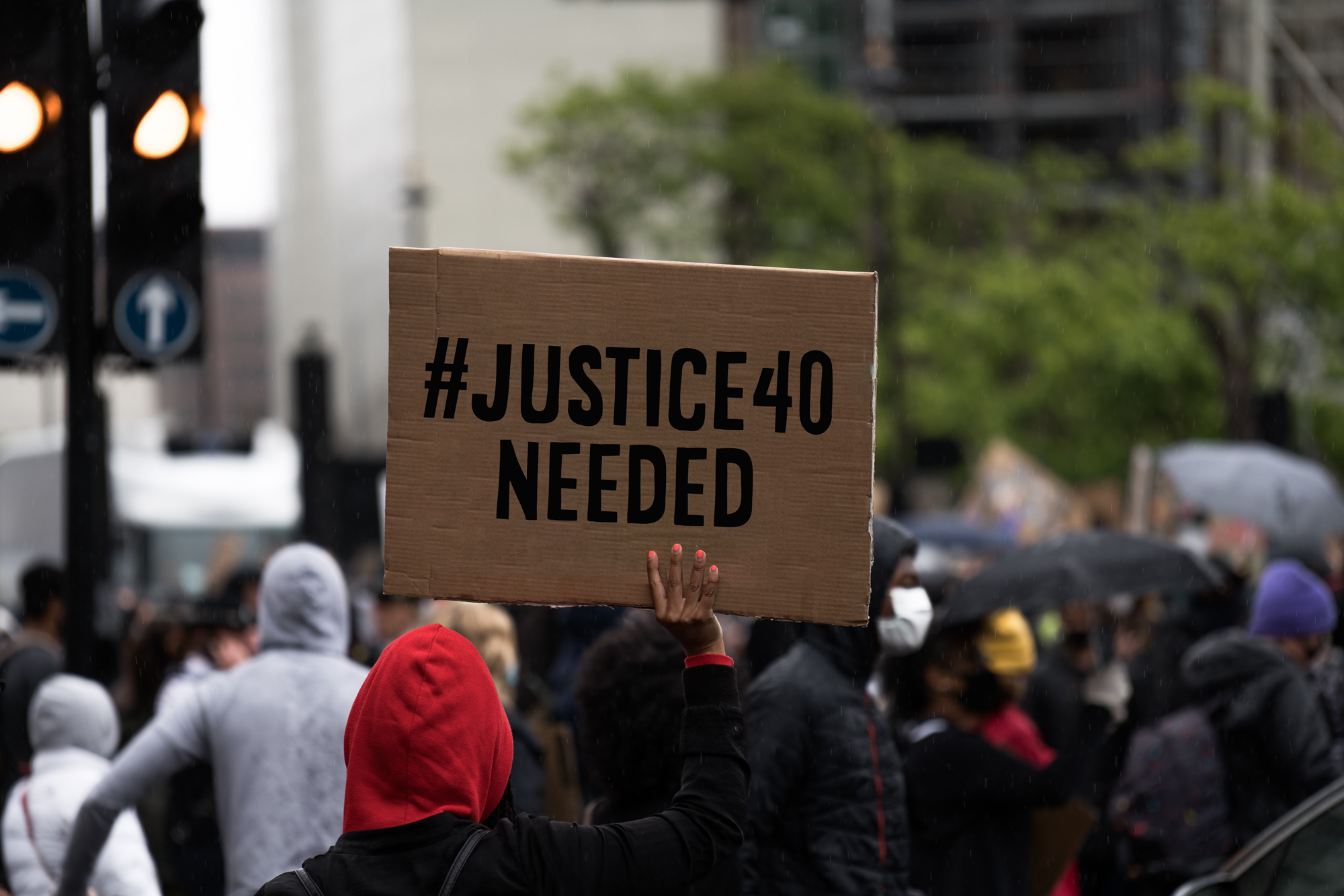
“In its first year, the Biden administration made historic commitments to confront environmental injustice and reduce harm from toxic pollution and climate change to frontline communities. The creation of the first White House Environmental Justice Advisory Council, bringing a whole-government approach, and the Justice40 directive were all critical actions.
“The journey is far from over. Communities across the country urge the administration to truly secure environmental justice for all by redoubling efforts to address the long-standing harmful health burden borne by Black, Brown, Asian, Hawaiian and Pacific Islander communities and Indigenous communities. Economic opportunities and investment are vital in these long-marginalized communities.
“We urge the Biden administration to continue to deliver on its executive commitments, namely through dedicated and transparent work with communities on the ground to ensure Justice40 is implemented urgently and effectively. The Build Back Better agenda also needs to pass. It will invest in climate action, clean energy jobs, and environmental justice, making our country more equitable, healthy, and prosperous. Our leaders in the Senate must stand up and support these crucial investments now.”
Executive Order 14008 milestones
The Equitable & Just National Climate Forum, which issued the Equitable & Just National Climate Platform in 2019, noted the following milestones in implementing Executive Order 14008’s goal to secure environmental justice:
- White House Environmental Justice Advisory Council (WHEJAC): The administration created a new White House Environmental Justice Advisory Council to advise federal agencies and the Chair of the Council on Environmental Quality on increasing federal efforts to address environmental justice. Biden appointed 26 members from around the country to the WHEJAC, including six individuals who are co-authors of the Equitable & Just National Climate Platform.
- Interagency environmental justice group. The administration created a White House Environmental Justice Interagency Council whose mission is to develop a strategy to address current and historic environmental racism and injustice that persist today.
- Establish a Justice40 initiative. The administration has moved forward on its goal to steer 40 percent of the benefits from federal investments to disadvantaged communities. The administration identified 21 federal programs that will pilot the initial Justice40 implementation.
- Lead pipe and paint strategy. The Biden administration announced a lead pipe and paint strategy that will make substantial investments to remove harmful lead pipes nationwide, will consider new rules to strengthen protections for lead in drinking water, and will prioritize action in disadvantaged communities.
- Substantial funding to advance environmental justice priorities secured in the American Rescue Plan Act (ARPA) and the Infrastructure, Investment and Jobs Act (IIJA). ARPA included $12.7 billion for energy and water bill assistance, environmental justice grants, air quality monitoring, and community health centers. The IIJA included roughly $66 billion to advance environmental justice, including $5 billion for Superfund cleanup and Brownfields redevelopment, $23 billion for the Clean Water State Revolving Fund and Drinking Water State Revolving Fund to expand access to safe and clean drinking water, and $15 billion for replacing lead service lines to remove toxic lead poisoning from drinking water.
What critical actions are needed next?
- Justice40 Implementation. The Biden administration must continue to develop and implement Justice40 and make rapid progress toward achieving the historic goal to deliver at least 40 percent of climate and infrastructure investment benefits to disadvantaged communities. Specifically, the administration must:
- Provide more technical support and capacity building to local governments and community groups representing disadvantaged communities so they can successfully apply for federal grants.
- Simplify grant application processes to make federal funds more accessible to disadvantaged communities.
- Build and share the tools needed to meet the Justice40 goal—including the Climate and Economic Justice Screening Tool to identify disadvantaged communities and a Justice40 and environmental justice scorecard to measure progress and ensure accountability.
- Work with state governors and agencies and local governments and community groups to support the delivery of Justice40 funding to communities that need it the most.
- Strengthen federal programs to maximize the benefits delivered to disadvantaged communities and avoid harms, such as increased pollution or community displacement.
- Strong policies and regulations to reduce pollution. The administration must develop and implement a strong cumulative impacts policy and design a regulatory strategy with an intentional focus on pollution reduction in low-income, Tribal, and communities of color to improve public health and create economic opportunities in disadvantaged communities that have been historically marginalized and impacted by high levels of toxic air and water pollution.
- Enact the Build Back Better agenda. The Senate should urgently pass the most comprehensive version of the Build Back Better Act as possible to support environmental and climate justice block grants and other programs to clean up pollution and create toxic-free communities, healthy ports, and climate-resilient affordable housing and community infrastructure.
The Equitable & Just National Climate Platform celebrated its two-year anniversary on July 17, 2021. In 2019, signatories to the platform achieved consensus on a historic plan calling for national climate action that confronts racial, economic, and environmental injustice as it enacts deep cuts in climate pollution and accelerates a pollution-free energy future that benefits all communities. The co-authors included leaders from a dozen environmental justice organizations and six national environmental groups. More here.